Center of Excellence in Advanced Technologies
To bring technological innovation for the benefit of enterprises through a co-operative effort with universities and R&D Centers, is the CETA SENAI Mission, thus promoting and contributing to the technological and social development of the state o Rio Grande do Sul.
The goal is to implement a paradigm changing in the matter of applied research to the industry, based in the Fraunhofer model, which promotes the integration of science and technology institutions with the industry needs.
The CETA SENAI -RS project is inserted in the agreement between Brazil and Germany about co-operation in applied reasearch and technological development between Universities and R&D Institutions from both countries, in force since 1969. In march of 1999, a Joint Commitee of Scientific and Technologic Cooperation has approved and considered as a priority project the colaboration between RS and FhGin technologic research.
The concept of CETA SENAI -RS has been developed and continuously improved over the last 9 years. It is based on performed industrial and R&D surveys that analysed the industrial demands and the academic capacities for technological innovation in RS. Currently, CETA SENAI performs over 21 innovation projects with applied research projects, technology transfer, and national and international R&D co-operations.
CETA SENAI-RS
Av. Assis Brasil 8450 - 1º
Porto Alegre - RS - Brazil
CEP: 91140-000
Phone: +55 51 3347
FAX: +55 51 3364
E-mail: ceta-rs@ceta-rs.org.br
Petrojarl Cidade de Rio das Ostras

Betting the fazenda
Mar 6th 2008 SÃO PAULO
From The Economist print edition
SETTLE down at one of São Paulo's sushi bars and before long you will overhear a discussion about a start-up business making energy from obscure weeds, or some other bright idea for relieving members of the country's growing middle class of their disposable income. A field study of this kind displays a strong sample bias, but the point is clear: Brazil does not lack go-getters. Yet according to a more thorough survey backed by the International Finance Corporation (IFC), a sister organisation of the World Bank, Brazilian entrepreneurs are a strikingly different breed to their peers in Russia and China.
Overall, some 82% of entrepreneurs in all three countries came from families with at least one other entrepreneur. They also tended to be taller than the average. But there the similarities end. In particular, Brazilian entrepreneurs seem to have a much lower appetite for risk.
The researchers measured this by offering interviewees hypothetical bets of varying risk and reward, and offering a choice between cash now or more money at a later date. The entrepreneurs in the sample were no more risk-taking than other Brazilians, and were also more likely to retire if offered a windfall than their peers elsewhere.
Perhaps this lack of staying power is because there are many more pleasant things to do in Brazil than work. But why should Brazilians be so risk-averse? Simeon Djankov, one of the study's authors, hypothesises that in real life Brazilian entrepreneurs run bigger risks than those elsewhere. Starting a business takes 152 days and requires 18 different procedures, according to the IFC's annual worldwide “Doing Business” study. It takes 2,600 hours for a medium-sized business to keep up with its taxes each year. The same hypothetical business would pay 69% of its second-year profits in tax, if it played by the rules and did not receive special tax breaks.
Brazilian entrepreneurs show an unsurprising willingness to bend the law. “Essentially what determines good entrepreneurship in Brazil is the ability to navigate around the bureaucracy,” suggests Mr Djankov. Eduardo Giannetti da Fonseca, an economist, concurs: “If Bill Gates had started Microsoft in a garage in Brazil, it would still be in the garage.” Harder to explain than why Brazil's entrepreneurs are as they are is why they exist at all.
175 new technical schools in 2008
 In 2008, more than 150 technical schools will start being implemented in Brazil. Also forecasted for the coming months is the inauguration of 25 other schools, already under construction. The data were supplied by the Ministry of Education and were disclosed by the press office at the organisation.
From 1909 to 2002, 140 technical schools were built in the country. And in the last five years, 39 new units were established. The schools to be inaugurated in 2008 will offer, at first, five intermediate-level technical courses. Each will have capacity for 1,200 students.
The aim of the government is to have 354 new technical schools and 500,000 slots by 2010. "The difficulty faced by companies in hiring trained and skilled workforce is a challenge that is being addressed by the federal government with heavy investment in technical education," says Eliezer Pacheco, secretary for professional and technological education at the Ministry of Education.
The National Industrial Training Service - SENAI is an integral part of the National Industrial Confederation System. It is the largest vocational education complex in Latin America and its purpose is the strengthening of industrial activities through human resources training.
Technology Center with Facilities in the Full Scale Field
 The Technology Center with Facilities in the Full Scale Field - CTDUT is a technology center judicially established as a privately-owned, non-profit, service rendering independent membership, having its headquarters in the City of Duque de Caxias, State of Rio de Janeiro, Brazil, and instituted by initiative of Pontifícia Universidade Católica do Rio de Janeiro PUC-Rio, Petrobras Transporte S.A. - TRANSPETRO and Petróleo Brasileiro S.A. - PETROBRAS, which are effective founding members, with funds from the Fundo Setorial de Petróleo e Gás - CTPetro, related to the Ministry of Science and Technology, through FINEP.
A Technology Center focused on the pipeline area, with full scale facilities intended for the research and development of new technologies, tests of products, equipment and systems used in the pipeline network and in the area staff qualification.
CTDUT is open to the participation of companies, research institutions, universities and organizations of the civil society with concerns in the pipeline sector and in the environment preservation.
The CTDUT project emerged from the strategic necessity of developing technology in the pipeline area, aiming to provide more competitiveness to the pipeline conveyance sector industry established in the Country. It is an investment that shall allow the Country to have the largest shared Technological Center in Latin America, besides being the only one in the world having a full scale built pipeline that is intended for research, tests and personnel qualification.
Brazil to promote exports of equipment for oil industry
The Apex - ONIP project was presented today (06) in Rio de Janeiro, to a group of local businessmen, and should be presented to people in the industry in other states as well.
The superintendent at ONIP, Bruno Musso, explained that the project for promoting Brazilian exports, established in late 2006, will be developed over the course of two years (2007/2008) and ensures the presence of participating companies in five international trade shows, and in business missions to 11 different countries. Up until now, 60 companies have adhered to the program, which is accepting new members.
"The project is aimed at increasing exports in 30% in 2007, based on export figures for 2005, and then 35% in 2008. In 2005, the 60 participating companies exported approximately 90 million Brazilian reais (US$ 43,2 million) worth of products. The figure does not correspond to the sector's exports," he explained.
Musso also said that, besides increasing export volume, the program is aimed at generating employment and income as well. "We want to have at least 20 new companies to enter the foreign market."
The program brought the two organizations together for the first time ever to elaborate a project for the sector, and has a budget of 4 million reais (US$ 1,9 million), to be shared by Apex and the sector's companies. Onip is the manager of the project, which will be evaluated halfway through 2008. The idea, according to the superintendent at ONIP, is to propose to Apex the creation of a new program for the 2009/2010 period, based on the results of the experience being implemented now.
Brazilian pharmaceutical companies
Product innovation or business innovation? What should companies follow? Based on products and business innovation concepts and Concurrent Engineering (CE), Integrated Product Development (IPD), Stage Gates and Product Based Business (PBB), this paper presents an innovation reference model developed for Brazilian pharmaceutical companies. Qualitative research was conducted in six pharmaceutical companies in order to better understand their scenario and to compare their reality of innovation processes. The focus of this paper is to understand how thesecompanies identify innovation opportunities (in the pre-development phase) and what constraints they face to implement them. Some comparisons are made among them and some recommendations concerning the innovation process are presented.
Condor flare parachute
 The brazilian Condor S.A. Indústria Química developed a flare parachute, capable to help the Navy in nocturnal searches in the sea or the policy to face dealers in mounts. The part illuminates the target for 30 seconds. The company waits authorization of the Army to initiate sells.
Condor is the leader and pioneer in Latin America in manufacturing Non-lethal Equipment and high-tech Pyrotechnicals for riots, military signaling and salvaging and it has a privileged position in the world ranking.
Located in Rio de Janeiro, in the municipality of Nova Iguaçú, its factory is installed in a total surface area of approximately 1,000.000 (one million) square meters, next to the biological resort of Tinguá, with 26 thousand hectares, which is the largest resort of the Atlantic Rain Forest of the State of Rio de Janeiro. Condor follows a permanent policy of nature protection by allocating 40% of its total area to preserve the native forest, the water springs, the flora and the fauna, thus turning the factory environment into an ecological island, perfectly fine-tuned with the “Non-Lethal” concept of respecting life and citizenship.
Rua do Carmo, 7 - Gr.1901
Centro - Rio de Janeiro - RJ
CEP: 20011-020
Phone: ++5521 3974-3355
Fax: ++5521 2524-7337
Marshall Casimiro Montenegro

But to build in Brazil an institution inspired in the MIT (Massachussets Institute of Technology, of the United States) would go to cost the Montenegro innumerable other battles. The difficulties were perfectly understandable: at a time where we still imported bycicles and sanitary vases, Montenegro defended that Brazil should be converted into a world-wide aeronautical power - prophecy that he would live to see materialized in the Embraer, a company been born of a rib of the Aeronautical Institute of Technology - ITA1 founded by him.
Between the creation of ITA, in 1945, and the military coup of 1964, the Montenegro life transform itself in a succetion of battles and alliances with brigadier generals, marshals, ministers, entrepreneurs, bankers and even with presidents of the Republic.
The military held power from 1964 until March 1985 not by design but because of political struggles within the new regime. Just as the regime changes of 1889, 1930, and 1945 unleashed competing political forces and caused splits in the military, so too did the regime change of 1964. Because no civilian politician was acceptable to all the revolutionary factions, the army chief of staff, Marshall Humberto Castelo Branco (president, 1964-67), became president with the intention of overseeing a reform of the political-economic system.
Exactly the stubbornness of that Montenegro had determined to construct its dream to any cost only allowed that ITA arrived at XXI century as one of the most respected world-wide centers of technological knowledge production. The divergence of opinion regarding the paper of ITA, however, would produce what decades of conspiracies had not obtained: to bury the relation between Montenegro and one of his best friends Eduardo Gomes. For Montenegro, the Institute would have to be a granary of brains for the society, as a whole. Eduardo Gomes disagreed and defended that the ITA if converted into a center technician of support and maintenance of the Brazilian Air Force - FAB. Eduardo Gomes was stronger, with good relations with the situation government, but Montenegro gained. The ITA was successful. Marshall Montenegro died in 2000, in Petrópolis (Rio de Janeiro) - the city of Alberto Santos Dumont, and although not to have died in combat nor to have been minister, he had a burial with military honors. Its coffin - buried to the side of Eduardo Gomes one - was lead by six ITA students - three military and three civilians. It would have been its last message: civilians and military, side by side.
The author Fernando Morais gets better every time one more of his books hits the shelves. Not only does he put a face to a name (as he did many times before as with Olga and Assis Chatobriand) but in the process he is a masterful storyteller bringing light and truth to otherwise "officialized" history.
1Established as the first Institute of the Aerospace Technical Center (CTA), ITA is considered to be the berth to the modern Brazilian aerospace industry. Located in São José dos Campos, in the State of São Paulo, the CTA campus composes four institutes and spreads over a large area including teaching and R&D laboratories as well as a complete residential facilities for students, professors, researchers, and other professionals.
Nanox Tecnologia
 NANOX TECNOLOGIA S/A is a company that develops nanotechnology solutions. Its aim is to develop and produce surface treatment solutions, oxide synthesis and nanometric metals, aiming at improving surface properties. NANOX®’s coatings can be applied to a number of different kindsof surfaces.
The company is a spin-off from the Federal University of São Carlos (UFSCar), in the State of São Paulo. It originated at UFSCar’s CMDMC/LIEC, the country’s leading nanotech laboratory, with which it maintains active research and cooperation agreements.
The NANOX® technology for synthesizing nanomaterials has grown from a bottom-up method and more specifically from chemical synthesis methods.
Using its own technologies, NANOX® produces nanometric compounds with a controlled particle size and distribution, elevated homogeneity, controlled stoichiometry, at a low cost and on an industrial scale. Further, these processes allow materials with different characteristics to be made compatible, i.e. polar materials can be chemically transformed so as to incorporate or react with apolar materials, bringing about significant changes to the materials’ properties. Thus, NANOX® creates atomic-scale materials, modeling the properties of the materials and surfaces, and can produce a range of amorphous and crystalline materials, including simple and mixed metal oxides, coatings, nanocompounds and materials for clean energy.
Nanox Tecnologia
Rua Jose Missali, 820 - Planalto Paraíso
CEP 135602-060 - Sao Carlos - SP - Brasil
Phone: +55 16 3364-2235
Website: www.nanox.com.br
CIETEC

CIETEC – The Technology–Based Business Incubator Center - was inaugurated in April of 1998, in São Paulo, within a partnering association with SCTDE-SP - The Science, Technology and Economic Development Secretary of the State of São Paulo; SEBRAE-SP - The Brazilian Support Service for Micro and Small Businesses; USP – São Paulo University; CNEN - The National Commission of Nuclear Energy - through IPEN - The Nuclear and Energy Research Institute , and IPT - The Institute of Technological Research of the State of São Paulo , entities which compose Cietec’s Board of Directors. Later, MCT - the Ministry of Science and Technology - was incorporated to the Board
Cietec’s mission is to promote the development of Brazilian technology and science, by encouraging its members to turn knowledge into innovative and competitive products and services.
In order to do that, CIETEC lies ahead of a national development strategy to encourage entrepreneurship, enhance quality of life and position the country as a creating and exporting base of innovative technologies in the various fields of knowledge.
CIETEC provides its small and micro companies with tools which will increase their survival and competitiveness, offering these technology-based companies the excellence of its infra-structure and human resources.
Amid the differentials that make CIETEC one of the most important incubator centers in the Country, the primary one is its privileged location. Based in Cidade Universitária de São Paulo, CIETEC’S tenant companies have access to the laboratories of IPEN, IPT and USP, fundamental to ensure the quality of their projects.
For being a connection link between education and research institutions, government bodies and private organizations, it is Cietec’s policy to constantly improve exchange of information and support service throughout all the networking made up by entrepreneurs, investors, researchers, scientists, journalists, consultants, students, professors and company owners.
CIETEC
Av. Prof° Lineu Prestes, 2242 - Sao Paulo
Cidade Universitária - Butantã - CEP 05708-000
Phone: (11) 3039.8300
Website: http://www.cietec.org.br/
Movimento Brasil Competitivo

CEP 70041.902 - Brasília/DF
Fone/Fax: +55 61 3326
Wevsite: mbc@mbc.org.br
Pam Membranas Seletivas
 Pam Membranas Seletivas is growing for uniting environment protection to cost reduction. The company, who was born in Federal University of Rio de Janeiro (UFRJ) Incubator, manufactures microfiltration membranes to treat effluent and, thus, to reuse water. It finished to deliver two microfiltration units, one for Petrobras and another one for Dupont. Petrobras will use the equipment in the oil field of Fazenda Belém, in Ceará, to separate water from oil.
 - Petrobra's wants to use this recicled and clean water to irrigate a mamona plantation for production of biodiesel - says Ronaldo Nóbrega, Pam Membrana's director, a retired Chemistry Engineering UFRJ Professor who developed the technology with his post-graduate students
Dupont, in Uberaba (MG), uses the filter to recoup a harmful pigment from the nature allowing its recycling and reuse. Pam Mambrana has also made tests in a brewery of São Paulo. And negotiates with the Votorantim Cellulose and Paper the implementation of its first filter of great dimension:
- We wait to close the year with bigger invoicing five times that of 2006, that it was of US$ 125 a thousand.
Pam Membrana has also won two innovation funding projects from the Brazilian innovation agency - FINEP and from the State of Rio de Janeiro Science and Technology Agency - FAPERJ to improve its microfiltration technology.
Pam-Membranas Seletivas
COPPE-UFRJ, Cidade Universitária - Rio de Janeiro
Caixa Postal 68568 - CEP: 21941-972
Phone: +5521-2590-3428
Fax: +5521-2590-4334
E-mail: pam-membranas@inc.coppe.ufrj.br
Vitrogen
 This year Vitrogen completes eight years of commercial performance in Brazil commemorating one historical mark: more than 360 a thousand bovine embryos produced by In vitro fertilisation (IVF). Of this volume 305 a thousand embryos had been transferred to receiving cows, an average of 40% of confirmed pregnancies.
Beyond this production increment of bovine embryos in domestic territory, Vitrogen has since 2003 also expanded its action in other South-american countries. Currently the company possesss laboratories in Colombia, Uruguay and Venezuela and Mexico. According to Yeda Watanabe, one of the partners of the Vitrogen, these three countries had already produced more than 50 a thousand embryos. The forecast is that in 2007 Vitrogen must produce between 6 and 10 a thousand pregnancies by IVF only in Colombia. In Brazil four units, installed in Cravinhos/SP, Uberaba/MG, Field Grande/MS and Morrinhos/GO (this in partnership with the Samvet Embryos) are in production.
The Vitrogen also is pioneering in the commercial application of the of bovines, goat and ovinos cloning and is searching partnerships for projects of national and international expansion. Vitrogen develops research projects and it offers other services in biotechnologies for animal reproduction.
Vitrogen
Rua Sete de Setembro, 601 - Alto das Acácias
Cep 14।140-000 - Cravinhos/SP
Phone: 55(16) 3951-9255
info@vitrogen.com.br
Brazilian Space Agency
 The Brazilian Space Agency (Agência Espacial Brasileira) is the civilian authority in Brazil that is in charge of the country's burgeoning space program. It operates a rocket launch site at Alcântara. Its location near the equator means that less energy is required to launch into space.
The Brazilian Space Agency is the heir to Brazil's space program. Previously, the program had been under the control of the Brazilian military. Because of pressure from the United States over the possible military application of its space program, the program was transferred into civilian control on 10 February 1994.
It suffered a major setback in 2003, when a rocket explosion killed 21 technicians. The first successful rocket was launched on October 23, 2004; it was a VSV-30, or Brazilian Exploration Vehicle, launched on a sub-orbital mission.
A joint venture company for rockets and satellites, established by Brazil and Ukraine, should begin operating this year. The partnership is aimed at launching rockets and satellites from the Alcântara Base, in the northeastern Brazilian state of Maranhão. The first launch should take place by 2009, according to the AEB, which completed 13 years of existence on February 10th, 2007.
Brazil will make available its launch area in Alcântara and the Ukrainians will provide the launching technology developed in Ukraine.
The company is expected to profit the equivalent of roughly 10% of the global satellite launching market, worth US$ 10 billion, over the next eight years, since countries that own satellites will be able to pay to use the base and the launching technology.
Ipiranga Group

Brazilian oil giant Petrobras, Ultra group, in the gas, chemical and transport sector, and petrochemical company Braskem signed an agreement to acquire the businesses of Ipiranga group. The value of the operation will be US$ 4 billion. Ipiranga operates in the oil refining, petrochemical and fuel distribution sectors.
Petroleo Brasileiro S.A. (Petrobras) is a wholly owned enterprise of the Brazilian Government, which is engaged in the energy sector. Petrobras is divided into four business areas: Exploration and Production, Downstream, Gas & Energy and International, and two support functions, which are Finance and Services. The Company has over 100 production platforms, 16 refineries, 30,000 kilometers of ducts and more than 6,000 gas stations. Petrobras is also present in other countries, namely Angola, Argentina, Bolivia, Colombia, Nigeria, and the United States, as well as having the support of its overseas offices in New York (ESNOR), and Japan (ESJAP). Brazilian oil company Petrobras has signed an agreement with the Ministry of Energy and Mineral Resources of Jordan that forecasts the viability study for the use of the Brazilian company's technology in the production of oil in the Arab country. The technology is Petrosix, for the production of schist oil, and it should be used in the AUG block, in the Attarat field, in the Arab country.
Braskem S.A. (Braskem) is an integrated petrochemical cracker and thermoplastics producer in Brazil. The Company produces a portfolio of petrochemical products, and focuses on polyethylene, polypropylene and polyvinyl chloride (PVC). Braskem operates through four business units: Basic Petrochemicals, Polyolefins, Vinyls and Business Development. The Basic Petrochemicals Unit includes the Company's basic petrochemical production activities, and supply of electricity, steam and compressed air to second-generation producers. The Polyolefins Unit encompasses activities related to the production of polyethylene and polypropylene. The Vinyls Unit is engaged in the production of PVC, caustic soda and chlorine. The Business Development Unit is engaged in activities related to the production of other second-generation petrochemical products. On April 6, 2006, the Company acquired all of the common and preferred shares of Politeno Industria e Comercio S.A.
Ultrapar Participações S.A. (Ultra Group)one of Brazil's most solid conglomerates। It unites three different companies, each with a prominent position in its own segment: Ultragaz, the leader in Brazil's distribution market for Liquid Petroleum Gas (LPG), with a 24% market share; Oxiteno, the largest producer of specialty chemicals in Brazil and the only manufacturer of ethylene oxide and its main derivatives in Mercosur area (comprising Brazil, Argentina, Paraguay and Uruguay); and Ultracargo, a leading provider of integrated road transport, storage and handling services for chemicals and fuels.
Petrobras will take over the Ipiranga distribution network in the North, Northeast and Midwest, and will have up to five years to use the Ipiranga brand, after which it will have to be replaced for the Petrobras Distribuidora brand। Braskem will manage 60% of the assets of Ipiranga Group in the petrochemical sector. Ultra will have the Ipiranga fuel distribution network in the South and Southeast of the country, and will continue running it under the Ipiranga brand. Petrobras will keep the other 40% of the Ipiranga group petrochemical activities.
The Ipiranga Refinery, in the southernmost Brazilian state of Rio Grande do Sul, will be equally controlled by Petrobras, Ultra Group and Braskem, who agree to proceed with the activities.
FAAP

FAAP was a small foundation destined to help and develop Fine Arts in 1947. Today it is considered one of the most important and respected Academic Institutions in Brazil.
The constant investment in culture, is a FAAP "brand" through the Museum of Brazilian Art (MAB), the FAAP Theater, FAAP College (founded in 1988), the library (created in 1959) and the facultieses.

The MAB has a heap of 2,500 works of Brazilian and foreign artists who have settled down here. Promotes workshops, courses and seminars, occupying an important place in the cultural life of the city. It holds international exhibitions with a great number of visitors.
The FAAP counts currently on 8 a thousand students in the graduation level, in seven facultieses: Business, Fine Arts, Communications, Law,Economics, Engineering and Computer Science, beyond 4,5 a thousand students in the level of post-graduation and the Executive MBA, considered one of the best of Brazil and a High School.
 It is in the formation of students that Foundation Armando Alvares Penteado stands out in the academic scenario. It is considered as an institution that prepares the elite and future leaders of the country in business, public, cultural and artistic spheres. Its principal mission is to foment teaching that permits the students an all round formation as human beings. In the classrooms, professional specialization meets the requirements of modern production, based on new technologies, concepts of productivity and total quality. Besides preparing the youth to full exercise the citizenship, FAAP is committed to a national project for development and social well being.
International Office of FAAP
903 Alagoas Street, Zip Code: 01242-902-São Paulo, Brazil
Phone: 55 11 3662-7159 - Fax: 55 11 3662-7103
Site: http://www.faap.br/ingles/index.htm
National Biotechnology Programme
According to the Brazilian Ministry of Development, Industry and Foreign Trade, there are currently 1,700 groups in the public, academic and private sectors working in the biotechnology sector in Brazil. The national program will manage and provide support to these activities, as well as facilitate corporate access to research results.
Already in 2007, according to information provided by the minister of Development, Luiz Fernando Furlan, US$ 479.5 million in public funds will be available for biotechnology research in the country. The money will be provided by the Brazilian Development Bank (BNDES) and by sector funds already managed by the National Innovation Agency (Finep), which are linked to the ministries and consist of tax revenues.
The plan was devised through debates between the private and public sectors, and will receive support from five ministries, all of which are somehow related to the area: Health, Development, Science and Technology, Agriculture and Environment. The goal is to encourage biotechnological applications in five different fields: health, food security, animal health, industrial products and environmental quality.
A national committee will be established, including representatives of the five ministries and of the academic sector, to monitor the development of the program. Biotechnology should foster production, and consequently employment in the country, in addition to opening new doors to the foreign market.
In fact, Brazilian biotech research has already shown promising results. The minister cited as examples the work of the Amazon Biotechnology Center - CBA, which developed natural colouring products for food and cosmetics, and the work of a factory, in the northeastern Brazilian state of Bahia, which produces sterile flies designed to eradicate fruit flies; these sterile flies are now being exported.
Brazilian biotechnology also led to the creation of new strains of sugar cane and soy, capable of thriving both in the country's dry and more humid areas, not to mention ethanol production, another result of biotech. Brazil is currently the leading ethanol producer in the world.
The program launched today should contribute to lessen Brazilian imports of medications, and help the country become an exporter of certain medical products. "In imports of vaccines against rabies alone, Brazil spends US$ 38.8 million a year," said Furlan.
The Ministry of Health already provides support to several programs aimed at innovation in medication. One such program is turned to the manufacturing of pharmaceuticals using marine microalgae. Another program specializes in developing medication to treat neglected diseases, such as malaria. This type of work, as well as biotech work in the agricultural and the industrial sectors, should get a boost from the new government plan.
The Brazilian Association of Biotechnology Companies (Abrabi) estimates the annual revenue of the biotechnology sector in the country to be between US$ 2.5 billion and US$ 4.3 billion. Of the 28,000 job positions created, 84% are in the micro and small businesses.
Foreign resources and participation in biotechnological development is also welcome, according to the consultant for biotechnology, pharmaceuticals and medication at the Brazilian Agency for Industrial Development (ABDI), Adriana Diaféria. Adriana explained that Brazil wants to show how advanced it is in the field, thus encouraging exchange with other countries.
Brazilian automotive companies
 Companies with 100% Brazilian capital are entering in the automotive market. That is the case with company Tecnologia Automotiva Catarinense - TAC, from the southeastern Brazilian state of Santa Catarina, which is developing jeep Stark, which means "strength" in German, previously know as Project A4.
The 4-wheel-drive jeep of futuristic lines is equipped with a Volkswagen 1.8 dual fuel engine, i.e., which operates both on petrol and alcohol. "This is a differential in the 4-wheel-drive vehicle sector, where the vehicles are generally run on petrol or diesel," stated the company's administrative director, Luiz Alberto Cavalheiro.
Innovative Brazil book
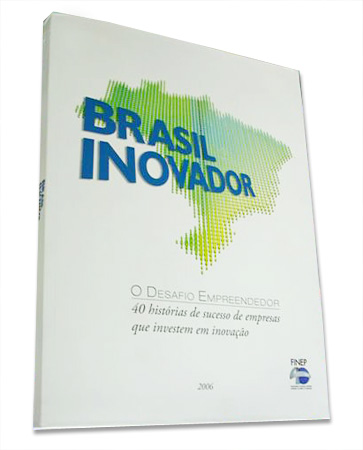 The National Agency for Financing Studies and Researches - Finep has launched the book "Innovative Brazil, the Enterprising Challenge", where success stories of the 40 more innovative brazilian companies are listed. Companies like Petrobras, Embraer, Braskem, Pipeway, Troller, Embrapa, Lupatech, Weg, Polymar, Nuteral and Modulo Security are among others.
Modulo Security, for instance, is the brazilian information security company. At the book you can learn about the history of the three partners that started the company after left the software engineering course at Federal University of Rio de Janeiro - UFRJ and how Modulo was transformed into the market leader of its sector. With more than 4 thousand national and international projects implanted, many of them innovative ones as the security of the Brazilian Voting Machines and the transmission of the income tax through the InterNet. Modulo was the first information security company of the world to get the ISO 27001 certification, first world-wide norm of information security.
Lobo
 Founded in '94 by three friends, two of wich are partners to this day, with the intention of having a good time and maybe some work, Lobo presents itself as a design and animation studio. The team of artisans leaded by Creative Director Mateus Santos seeks to employ the full extent of its capabilities to the craft, with the constant objective of doing unique work every time around.
Represented worldwide by The Ebeling Group, and teamed up with major 3D and post-production company Vector Zero, Lobo has grown quite a bit since the early days, but being aimed towards quality more than quantity, the team has now reached a solid set up. Designers, animatiors, illustrators, editors, plus a writer and a sound designer, all coming from veried backgrounds, compose the current team. This provides Lobo with a strong foundation for a broad range of projects.
 From TV packages for Germany's Viva Networks, to the far out concepts and graphics for Diesel, Lobo's clients so far include Panasonic, Boomerang Channel, Gessy-Lever, Toyota, Sony Playstation, Anime Channel, Subaru, Cartoon Network, OLN, CMT, AMC, McCann Erickson, Kessels Kramer, Ogilvy & Matter Worldwide, Saatchi & Saatchi, BBDO, MTV and Disney.
Lobo's worldwide recent media attention includes reviews and interviews on magazines and books such as Creativity, Creative Review, Desing is Kinky, Die Gestalten, Etapes, How, ICG, Plus 81 and XFuns.
Lobo
Phone: 55 11 3709.2222
email: info@lobo.cx
Site: http://www.lobo.cx
Adapter for helmets and earplugs
 The helmet adapter is one of the company’s top-of-the-line products. It is characterized by especially innovative features such as a lever and bending system, using torsion springs with a spin gauged to move the earplugs backwards. It also has a smaller amount of parts than its competitors, and uses simplified tooling. It can be adapted to any helmet brand. It is injected in ABS and receives a fiberglass load to cope with the wear and tear. With less movements and adjustments, users can remove and put the earplugs on intuitively, which contributes to improve their work conditions. The product was developed in Brazil with technical, functional and formal aspects that compete in equal conditions with imported products.
 Manufacturer:
Bells Ind. e Com. de Plásticos Ltda
Pinhais, Brazil
http://www.bells.ind.br
Design:
Mega Box Design S/S LtdaAguilar Selhorst Jr, Felipe Locatelli, Nelson Kuster Jr
Quatro Barras, Brazil
http://www.megaboxdesign.com.br/
Brazil innovation and environment
The substitution of CFC on chemistry industries and consummer goods in Brazil is a good example. The importation of gas CFC and the use of herbicide bromide of metila, two of the main substances that destroy the ozone layer, are forbidden in Brazil since the first day of 2007 by the Brazilian National Environment Council (Conama).
Currently, the CFC survives basically in old equipment, refrigerators, residential and automotive air-conditional equipment. The CFC alone only leaves the industrial plant, today, in the cases of "essential uses", as in the bomblet used in the treatment of the asthma. It is an exception in the Montreal protocol, but its use is restricted and can finish for complete, therefore a study government foresees the substitution to it of the CFC of the bomblets for another product researched in the program of Elimination of the Production and Consumption of the Substances that Destroy the Ozone Layer. The Program counts on financial resources of Protocol Multilateral Fund, that, until 2010, will invest USS 26,5 million in brazilian system of innovation.
The CFC of old equipment, as what it puts into motion refrigerators manufactured before 2000 (the posterior ones does not contain CFC), the call "cooling gas", will be recicled to keep in operation old equipment. With resources of Multilateral Fund, a Central office of Regeneration (bank of supply of the gas) was mounted in São Paulo. In 2007, another one will be opened, in Rio de Janeiro. One program of training of "refrigeristas" prepares low-income people who work in the collect of the CFC in refrigerators. Instead of liberating the gas for the atmosphere, them they direct to a regeneration central office.
Such policies are the building blocks of democratic and decentralized social and technological networks and efficient and multiple innovation environments represent today essential conditions for environmentalism.
O Boticário
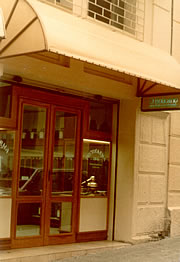
O Boticário was created in 1977 as a small prescription drugstore in the city of Curitiba, capital of the state of Paraná, in southern Brazil. Today the company is the world’s largest perfumery and cosmetics franchising network. It has 2,114 stores in Brazil, 52 in Portugal, 4 stores in Mexico, 5 stores and 6 points of sales in Bolivia, 2 in Peru, and 2 in Paraguay, and its products are marketed in 438 points of sale in Japan.
O Boticário is perceived by its customers as a company that creates and distributes products that express sensitivity, harmony, and beauty; as a company that is a reference in innovation and high quality, and whose actions translate its absolute respect for the environment.
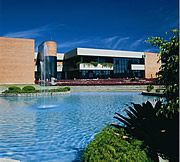
O Boticário’s product lines consist of approximately 480 items, divided into the following categories: body care, facial care, sun care, makeup, deodorizing colognes, deodorants, soaps and shampoos. All of them developed with the most advanced production and research techniques.
In addition to traditional ingredients such as almond oil, chamomile, eucalyptus, and grape, O Boticário consistently invests in new active ingredients research so that it can go on offering unique products. Amazonian plants such as assai, cupuaçu, carnaúba, guaraná, cashew, and passion flower; gums extracted from algae and vegetal extracts, such as arnica, and urucum are among the active ingredients present in the brand’s products.
O Boticário is a modern company, in synchrony with international market trends, and greatly concerned with the quality of the products it manufactures and customer well-being. By means of regular domestic and international surveys, the company has succeeded in developing world-class products, be it through their innovative packaging or through the use of first-class raw-materials, using the most advanced technology in packaging, formulations, and design.
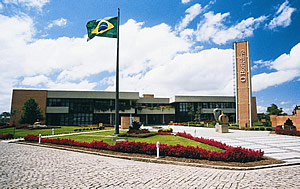
O Boticário’s industrial and administrative complex has 34.4 thousand square meters of floor space in the city of São José dos Pinhais in the Curitiba Metropolitan Area. It employs 1,300 people and creates approximately 10 thousand jobs through its franchising network. O Boticário’s first manufacturing plant was inaugurated in 1982, with just 1 thousand square meters of floor space. Then it employed 27 people who worked to manufacture about 400 thousand items a year. O Boticário’s current production exceeds 59 million units.
In 1990, the O Boticario Nature Conservancy Foundation became a landmark in terms of support to conservationist projects, and is widely recognized abroad. UNESCO declared the Salto Morato Natural Reserve a natural heritage site, in 1999.
FEBRACE
 The Science and Engineering Brazilian Fair - FEBRACE comes fulfilling an important social paper stimulating the creativity and the reflection in students of the basic education through the development of sciences and engineering projects. The FEBRACE means 5 years discovering new talents and stimulating the research culture, innovation and entrepreneurship in Brazil.
 The FEBRACE history is composed of pupils, professors, parents and schools that together show to the Brazilian society that they learn to learn, that they can want and that they can do.
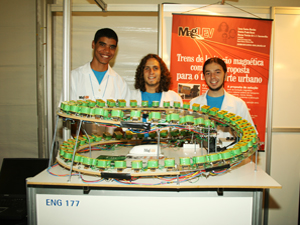
The FEBRACE objectives are: - to stimulate new vocations in Sciences and Engineering through the development of creative and innovative projects; - to approach the public and private schools of the Universities, being created chances of spontaneous interaction between the students and professors of the schools with the university community (students, professors, employees), for one better understanding of the papers of the Universities in Education, Research, Culture and Extension.

The FEBRACE is a fair affiliated to Intel ISEF - International Fair of Sciences and Engineering - carried through annually in May in U.S.A. in different cities of the country. It is the biggest fair for students who had still not arrived at the university level.
Calçados Azaleia
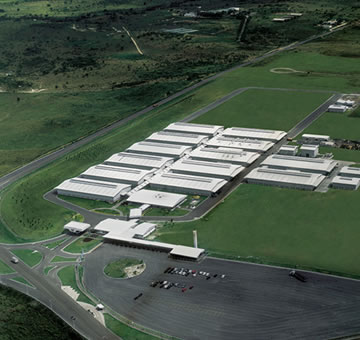
Headquarter in Parobe, Rio Grande do Sul, 80 kilometres from the capital of the Southern State, Porto Alegre. Calçados Azaleia has three main production units at Rio Grande do Sul, Bahia and Sergipe, besides that Azaleia has trade representatives in Latin American countries, USA and Europe and four commercial units at Unites States, Chile, Colombia and Peru. The company exports 18% of its production to more than 80 countries and it is estabilished in more than 15.000 stores in Brazil and other 3.000 spread all over the world. On the women´s market, the company presents the brands Azaléia, Dijean and Funny. On the sportswear segment, it works with the brands Olympikus (leader in Brazil), Asics, through an agreement made with the Asics Tiger Corporation, and finally, with the brand Opanka.
Nowadays the brazilian shoe industry is suffering a strong competition from asiatic countries. With products 40% more cheaper, countries as China, Vietnam and Malasia, influence brazilian companies to search for alternatives to mantain the marketshare in the foreign. Research new designs, materials and techniques to improve the quality and aggregate value of its products are the policies of Azaleia in 2007.
Azaleia has earned from the Brazilian Innovation Agency - Finep (Research and Projects Financing) the amount of US$ 13 million to finance the R&D in the manufacture of recyclable sandals and tennis with the use of new polimers and bioplastics, as Luciano Sfoggia, finance director of Azaleia says "the manufacture of recyclable products goes within our environmental responsability", an important theme to all the company.
Calçados Azaléia S.A.
Rua Dr. Legendre nº 34 – Centro
CEP: 95630-000
Parobé – RS
Phone: (+5551) 3543. 1000
Site: http://www.azaleia.com.br
Rain Network
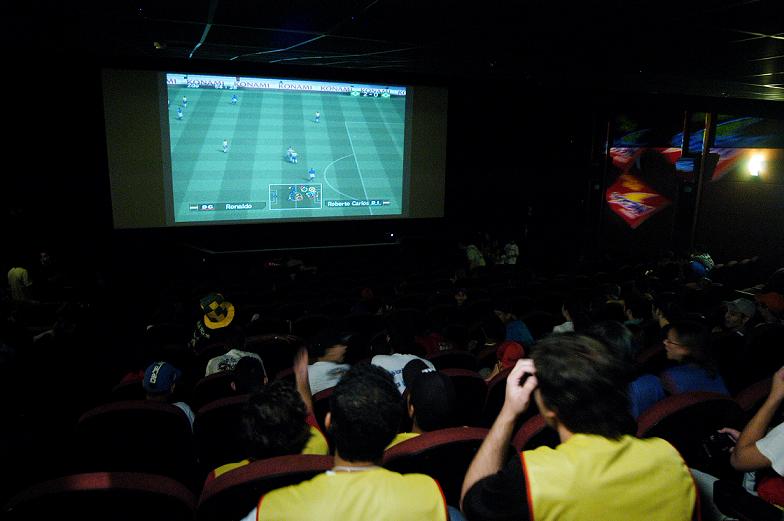 In Brazil, the necessity has become the mother of invention. The hinterlands of South America's largest country are virtually inaccessible by roads, and copying and transporting hundreds of reels of film is expensive. Founded in 2002, Rain Network is a brazilian company that has created a solution for independent cinema market by interconnecting theaters in a digital network, with built-in antipiracy measures, and Brazil is poised to take the boldest steps yet into all-digital cinema, with 100 theaters - the largest digital network in the world.
 The creative spark that was harnessed for more practical ends by Rain when they sought to develop a new digital exhibition and distribution platform. Using Windows Media 9 software, engineers came up with MPEG-4, video compression software that is cheaper and faster than the current system. The MPEG-4 software can squeeze a feature film onto a file of just five gigabytes, 15 times smaller than the MPEG-2 technology presently used.
The films are then beamed by satellite from Rain's central computer in Sao Paulo to picture houses across the country. Depending on bandwidth, it can take as little as 20 minutes to send a 90-minute film to a theater.
By eliminating celluloid and transport costs, distributors could quickly and cheaply beam blockbusters to distant towns the same day as they première in London, Los Angeles, or Sao Paulo. They can offer a wider range of films and even live broadcasts.
With offices in Sao Paulo, Rio de Janeiro, New York and London, Rain Network currently transmits, by satellite, films in digital format to more than 106 screens in Brazil, 14 screens in US and one screen in UK.
Rain Network
Av. Eng. Luiz Carlos Berrini 500 - cj 21
CEP 04571-000 - Sao Paulo - SP
Phone: (+5521) 2164-9797
Site: http://www.rain.com.br
MVC Wall System
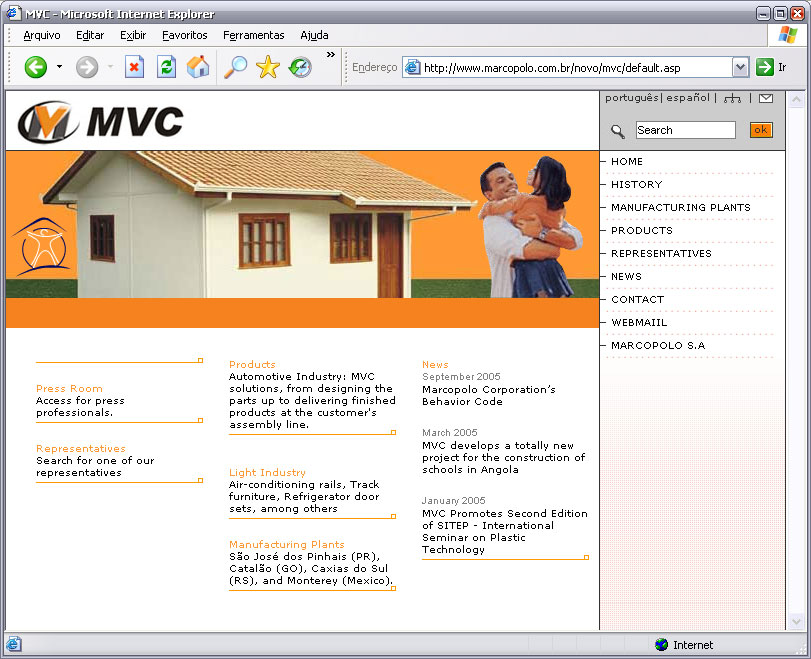 Wall System is a technology for civil construction. Because of its distinguished characteristics of manufacturing and flexibility it can be used for low-cost constructions, such as schools, health centers, hostels and beach houses, among many other applications. The exclusive Wall System boards are made of a sandwich-like structure with fiberglass-reinforced plastic panels and a special core to meet both Brazilian and International standards.
As one of its great differentials, this system allows large-scale construction in a very short period of time. It also doesn't need painting and can be manufactured in different colors. According to the type of project, the customer can choose from wood, iron or aluminum doors and windows. Approved in all the resistance tests carried out by IPT - Instituto de Pesquisas Tecnológicas (Institute for Technological Research) at USP (SP), the Wall System technology also allows fine thermal and acoustical insulation.
Developed by MVC, a company belonging to Marcopolo S.A., that was founded in 1989, in São José dos Pinhais, PR, Brazil.
By improving and applying certain processes such as Vacuum Forming, Light RTM (Resin Transfer Molding), Continuous Lamination and Polyurethane Injection (PU), MVC started its activities operating in the Automotive Industry and gradually broadened its operations, introducing its own plastic products to the Light Industry and Infra-structure markets.
MVC has presently four manufacturing plants: three in Brazil (São José dos Pinhais - PR, Catalão - GO and Caxias do Sul - RS) and one abroad (Poloplast in Monterey, Mexico). MVC is always surprising with constant innovations and the search for improvement on plastic technology is always converted into distinguished products for the domestic and foreign markets.
MVC Componentes Plásticos Ltda.
Rua Maria Isabel Zagonel, 205
São José dos Pinhais, PR, Brazil
CEP: 83045-430
Phone: +55. 41. 2141.3200
Site: http://www.marcopolo.com.br/
Tritec Motors
 Tritec Motors Ltda. was born from a joint venture established in 1996 between BMW and Chrysler with the objective to manufacture 1.4 and 1.6 liter gasoline engines in Brazil. Today, Tritec is the result of an investment of this US$ 500 million in equal shares.
The plant was built in the town of Campo Largo in the Curitiba metropolitan area, in the state of Paraná, on a lot of 1.27 million square meters. Construction began in 1998 and by January 1999, Tritec's 40,000 square meter facility had already been constructed.
The first motor was assembled in September of that same year. Tritec enters 2003 with an output capacity of 400 thousand motors/year.
Built according to strict quality and technology standards, the gasoline powered, 4-cylinder, 16 valve 1.6/1.4 liter engines are destined for export, equipping all BMW Mini models world wide; the DaimlerChrysler PT Cruiser in South Africa, Europe, and other foreign markets; and an additional export variant of the DaimlerChrysler Neon.
Tritec's forward vision, desire for success, investment in technology, investment in human resources, modern management techniques, and high level of automation, place Tritec among the world's best engine manufacturers which is clearly reflected in the final quality of its products.
Tritec Motors S.A.
Rua Ema Tanner de Andrade, 1892.
Campo Largo-PR
Telephone: 55 41 391-4500
Fax: 55 41 391-4551
Site: http://www.tritecmotors.com.br
WEG
 Werner Ricardo Voigt (W), Eggon João da Silva (E) and Geraldo Werninghaus (G) founded "Eletromotores Jaraguá" in 16th of September 1961, three years later, the company created by an electrician, an administrator and a mechanic changed its name to "Eletromotores WEG SA".
Dedicated initially to the production of electric motors, the Company expanded its activities in the 1980s through the production of generators, electrical components, industrial automation products, power and distribution transformers, liquid and powder paints, and electro-insulating varnishes. Its product lines include control and protection, electric motors, generation and distribution of energy, industrial paints and varnishes, industrial process automation and speed variation.
Counting on more than 14 thousand employees all over the world, WEG reached an annual turnover of R$ 2.978 billion in 2005, a growth of 14% in relation to 2004, R$ 2,608 billion. Exports were responsible for almost 40% of the company's turnover. Production is concentrated in seven manufacturing plants in Brazil (in th cities of São Paulo, São Bernardo do Campo, Guarulhos, Manaus, Guaramirim, Blumenau and two plants in Jaraguá do Sul, two in Argentina, one in Mexico, one in Portugal and one in China. WEG also exports to over 100 countries and counts on branches and technical assistance in all five continents.
A good part of these great results influence life in the city of Jaraguá do Sul directly. One of the most visible forms of this is the distribution of profits to the employees. Besides the injection of capital that the profit distribution provokes in all the sectors of the economy, WEG also participates directly in the increase in quality of life of the city.
WEG S.A.
Av Prefeito Waldemar Grubba, 3330
Jaragua Do Sul, 89256-900
BRA +55-0047-3724000 (Phone)
Site: http://www.weg.com.br
Cryopraxis Cryobiology
 Cryopraxis Cryobiology is a company dedicated to the collection, transportation, processing, freezing, long-term storage and biologic analyses of stem cells in the blood of the umbilical cord, placenta, bone marrow, peripheral blood, as well as germinative tissues and cells.
 Cryobiology may be defined as the science and group of technologies relating to the behavior and physiologic integrity of cells and biologic tissues when submitted to ultra low temperatures.
As a Bank of Blood of Umbilical Cord and Placenta for Autologous use, Cryopraxis stands out as the first and major company in Latin America. Cryopraxis was the first umbilical cord blood bank to obtain certification by ANVISA, the National Health Surveillance Agency.
An excellent company in its branch, counting on a staff with more than 500 direct and indirect professionals, as scientists, physicians, pharmacists, nurses, biologists, administrators and managers with the highest technical and scientific level, the great majority of which are Masters and PhDs.
The Master Unit of Cryopraxis is located in the Biotechnology Center of Rio de Janeiro - BioRio, at Federal University of Rio de Janeiro contributing to the creation of human resources and the development of new technologies. Cryopraxis usually invests in creating human resources, research and development, innovation, and it results in better and more efficient laboratorial procedures — more safety for our clients.
Technical operations by Cryopraxis are extended throughout the Brazilian territory and some European countries, United States and Canada.
Criopraxis
Biotechnology Center of Rio de Janeiro - BioRio, UFRJ
Rio de Janeiro
Phone (+5521) 2141-7777
Site http://www.cryopraxis.com.br
Sugar Cane and Ethanol
In order to grow along with that demand, Brazil and the countries that are preparing themselves to take advantage of the same opportunity – in particular the United States, China and India, which accounted for 80% of the world’s output in 2005, according to the Renewable Fuel Association — must find a way to produce more ethanol without using up all the planet’s tillable area.
Unicamp Innovation has been following the world’s movement towards ethanol and other fuels produced from biomass; and the recognition of the international media – recent – of Brazil’s leadership in the area. This edition brings part of what we have published on the theme, as well as new articles, such as those about two small businesses financed by the Fundação de Amparo à Pesquisa do Estado de São Paulo (São Paulo State Research Foundation, Fapesp) that operate in the sugar and alcohol industry.
The State University of Campinas (Unicamp), in the city of Campinas, about 100 km (about 62 miles) from the capital city of the State of São Paulo, is Brazil’s second largest university according to academic standards. Celebrating its 40th anniversary in 2006, it boasts impressive numbers: nearly 30,000 students, almost half of which in Graduate courses, about 1,800 professors (93 percent of them PhDs), 20 teaching and investigation units, more than 50 Undergraduate courses, over 110 Graduate courses. Each year almost 1,300 Master’s Degree theses and nearly 750 PhD dissertations are defended. In its July, 2000 issue, Wire magazine described Unicamp as “Brazil’s answer to MIT,” saying that “it houses the nation’s number one computer science program and churns out future digerati who needn’t look far for a job.”
EXTRACTA
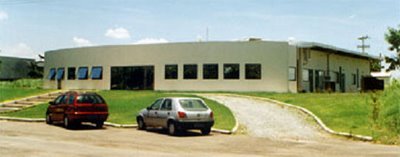 EXTRACTA Moléculas Naturais S.A. is a Brazilian R&D service provider to BioPharma, Veterinary, Cosmetics and Agro industries, offering state-of-the-art HTS screening against client targets and isolation of New Chemical Entities from Brazilian biodiversity.
EXTRACTA´s own BANK OF CHEMICAL BIODIVERSITY® is the largest, constantly growing collection of ready-to-screen compounds derived from Brazilian biodiversity within the legal framework of the 1992 Convention on Biological Diversity.
A growing library of plant extracts and their fractions totaling nearly 40,000 samples readyfor screening against bioassays in a 96-well plate format. The library contains nearly5,000 plant species professionally collected in the Atlantic Rain Forest and Oriental Amazon.This highly diversified material generated close to 11,000 different crude extracts obtainedfrom plant parts and close to 29,000 fractions that together constitute the basis for everyscreening exercise
EXTRACTA offers partners uncomplicated access to this immense chemical reservoir with comprehensive, worldwide IP arrangements (no IP stacking).
Current Collaborations: GlaxoSmithKline, Genzyme Corporation and Natura (largest cosmetic/phytoremedies concern in Brazil.
EXTRACTA Moléculas Naturais S.A.
Av. 24 s/n Quadra A Lote 6 e 7 - Cidade Universitária
Rio de Janeiro
Phone (+5521) 3867-5608
Site: http://www.extracta.com.br
Children´s Machine
 The brazilian government received the first 50 2B1 ("to be one") laptops yesterday (november 27), targeted to resources research and development by R&D centers and universities. In january 2007, 550 laptops will be sent to Ministry of Education to pilot projects among the students.
The Children's Machine, or 2B1, is a proposed inexpensive laptop computer intended to provide every child in the world access to knowledge and modern forms of education. It was previously known as the $100 Laptop. The laptop is being developed by the One Laptop per Child (OLPC) trade association. OLPC is a U.S. based, non-profit organization created by faculty members of the MIT Media Lab to design, manufacture, and distribute the laptops.
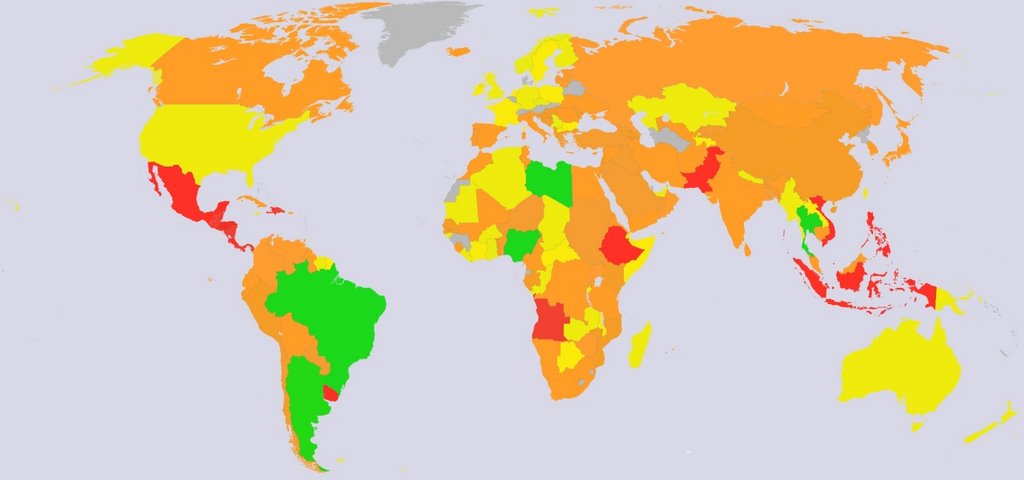
The computers will be rugged and use Linux for their operating system. Mobile ad-hoc networking may be used to allow many machines Internet access from one connection over the OLSR wireless protocol. The pricing goal is currently expected to start at around US$135-140 and reach the US$100 mark in 2008. The laptops will be sold to governments and issued to children by schools on a basis of one laptop per child. Brazil, Argentina, Nigeria and Lybia are the first countries to receive the 2B1 laptops.
Sugar-based plastic
Bioplastics are a form of plastics derived from plant sources such as sugar cane, soy bean oil and corn starch rather than traditional plastics which are derived from petroleum. This is regarded as a much more sustainable activity, as it relies considerably less on fossil fuel imports and produces less greenhouse emissions, producing between 0.8 and 3.2 tonnes of carbon dioxide less per tonne of bioplastics compared to the same weight in petroleum-based plastics. Many bioplastics are truly biodegradable and will degrade in commercial compositing units. Some bioplastics will even biodegrade in the less aggressive conditions of a home compost heap. However, bioplastics can also be formulated to be durable.
This development is closely associated with the long term activity of sugar and alcohol production in Brazil, which is based on the natural endowments of soil, climate and geographical extension that favors sugar cane cultivation.
This notwithstanding, the emergence of the bioplastic industry was only possible because of a specific government scheme to build research capacity and knowledge production in biotechnology which also stimulated cooperation between the public and the private sector.
14 Bis - 100 Years

The 14-bis, also known as Oiseau de proie (French for "bird of prey"), was an early fixed-wing aircraft designed and built by Brazilian inventor Alberto Santos-Dumont. On November 12, 1906, in Bagatelle, France, it performed the first publicly witnessed unaided flight by a heavier-than-air aircraft. Earlier flights, such as that made by the Wright Brothers had required favourable wind directions, catapults or other such devices to take off.
Conception, development, and initial tests
In June of 1905, Gabriel Voisin tested a glider by having it towed by a fast boat down the Seine. The glider's wing configuration was made up of Hargrave cells, a box-kite-like structure that allowed for great lift and structural strength with minimal weight. Voisin was towed into the air and flew for over 500 feet as the boat pulled him and his aircraft. In the aviation-crazy Paris of the early 1900s, this established the Hargrave cells as a configuration to be developed into heavier-than-air aircraft, not simply into kites. Santos-Dumont lived in Paris at the time, and was by then one of the most active "aeronauts" in Europe, having developed a long series of dirigibles that displayed unparalleled agility, speed, endurance, and ease of control.
During late 1905 and early 1906, French aviation authorities, seeing the rapid development in aviation at the time, offered prizes for the first heavier-than air machines to be flown for 25 meters and for 100 meters. Ferber, a captain in the French Army, was experimenting with gliders and kept in touch with Chanute and with the Wright brothers. Voisin teamed up with Louis Bleriot to develop the boat-towed glider into a fixed-wing aircraft.
At around that time, while watching the Cote D'Azur speedboat races, Santos-Dumont noticed that Antoinette-type engines, made by Levavasseur, offered great power and were quite lightweight.
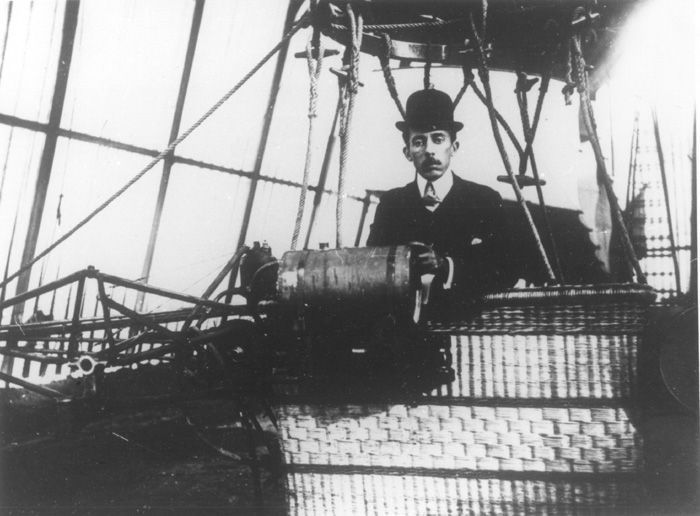
Putting all this together, Santos-Dumont designed and built a Hargrave-cell biplane powered by an Antoinette engine. This was originally done in secrecy, only known to his team of builders and craftsmen. The wings were at the very back configured in a dihedral, each wing containing three cells. The 24 hp Antoinette sat between the wings, with the pilot's compartment immediately ahead (where the pilot stood), and with the pusher-propeller immediately behind. A movable cell at the nose, actuated by cables originally manufactured for church-tower clocks, allowed for steering and altitude adjustments. This forward-mounted-mini-wing layout would later come to be called a "canard" (after a Bleriot aircraft of the same layout was said to look like a duck. This name is still used to describe aircraft with wing-like surfaces placed near the nose, whether or not they are duck-like). The structures of the Santos-Dumont biplane were made of bamboo, with Japanese silk surfaces, and joints made of aluminum, a very exotic material at the time.The aircraft was transported from Neuilly, where it was built, to Bagatelle, where it could be tested. In order to simulate flight-like conditions, Santos-Dumont attached the aircraft to the belly of his latest dirigible, the Number 14. Due to this configuration, the plane came to be known as 14-bis. The forces imposed by the aircraft pulled at the dirigible in dangerous ways, nearly tearing it and allowing for limited control. The danger of such tests caused Santos-Dumont and his team to quickly abandon them, although some constructive information was obtained that led to adjustments in the balance and weight placement of the plane.Santos-Dumont then connected a steel cable to the tops of two tall poles, one taller than the other. The aircraft was hung by a rope and attached by a pulley to the steel cable. It was then pulled by a donkey until it rested by the taller pole, and then released and allowed to slide down the cable towards the lower pole. In this manner, the center of gravity of the aircraft was established and adjusted, and much was learned about its stability. (Photographs of these tests show the vehicle being pulled up along the cable by the donkey back to the higher position. This gives the appearance that the plane was tested while being pulled by a donkey, which is not accurate).
By August 1906, the aircraft was transported back to Bagatelle, where Santos-Dumont performed what we would today call fast-taxi tests. The engine was found not to be powerful enough to safely reach flight speeds, and was replaced by a 50 hp Antoinette, a V-8 design capable of 1,500 rpm. Early September saw greater speeds in ground tests, as well as a minor accident. On the September 7, 1906, the wheels left the ground during an extremely quick hop.Announcements were made about Santos-Dumont trying for all the aeronautics prizes. Crowds and aviation authorities gathered on the morning of the September 13, 1906. Not all the cylinders were firing during an initial takeoff attempt, but quick repairs allowed for the second run to result in a 13-meter (43-foot) hop, an altitude of about 1 meter having been reached. This did not qualify for the prizes, but earned Santos-Dumont a great deal of attention.The 14-bis landed at a high angle of attack, and the propeller at the back struck the ground. Repairs were undertaken. On the 23 October, after a series of engine tests and high-speed ground runs (one of which ended as one wheel came loose, but this was quickly fixed), Santos-Dumont finally pulled the 14-bis into the air. The aircraft flew for over 200 feet at an altitude of about 10 feet. This earned Santos-Dumont the first of the aviation prizes, 3,000 francs for a 25-meter-or-greater flight.
The plane required more repairs, as the landing had again damaged it, and Santos-Dumont announced that he should be ready to attempt the 100-meter prize on November 12. The 14-bis was repaired, and ailerons were added to the middle of each outermost wing cell (similar to the aileron layout later used in the famous Curtiss Model D Pusher). These ailerons were actuated by cables attached to the pilot's flightsuit at the shoulders. Movement of the shoulders thus actuated roll control, similarly to the hip-movement roll-actuation control on the Wright Flyer.
On the morning of November 12, 1906, the crowds gathered. In a surprise to nearly all there, Voisin also brought a biplane that he and Bleriot has built, and also powered by an Antoinette. Voisin made several takeoff attempts, until one of them damaged the vehicle such that it could not be tested further before being extensively repaired.

As Santos-Dumont allowed the 14-bis to run down the field, a car drove alongside, and Henry Farman would drop a plate out of the car each time he observed the wheels of the plane to leave the ground or to touch down again. The first attempt saw a flight of 40 meters, and the second saw two brief flights of 40 and 50 meters. A hurried landing after this second attempt (rushed due to the proximity of some trees) damaged the wheel axles, and these were fixed during a lunch break. In the afternoon, further flights were of 50 meters and then 82 meters. As the sun set, Santos-Dumont attempted one more flight. In order to ensure he would not hit spectators, who by this time were present all over the field, he flew at an altitude of 4 meters. After 22 seconds, he cut the engine power and glided into a landing. He had flown for 220 meters, or over 700 feet, qualifying for the second aviation prize offered for heavier-than-air-aircraft, 1,000 francs for a flight of 100 meters or more.
Specifications (14-bis)
General characteristics
- Crew: one pilot
- Capacity: one
- Length: 9.70 m (31 ft 10 in)
- Wingspan: 11.20 m (36 ft 9 in)
- Height: 3.40 m (11 ft 2 in)
- Wing area: 52 m² (560 ft²)
- Empty weight: ? ()
- Loaded weight: 300 kg (660 lb)
- Powerplant: 1× AntoinetteV-8 , 37 kW (50 hp)
Performance
- Maximum speed: 32 km/h to 43 km/s (25 mph/1.1.)
- Range: >220 m (demonstrated) (>720 ft)
- Wing loading: 5.7 kg/m² (1.2 lb/ft²)
- Power/mass: 0.12 kW/kg (0.075 hp/lb)
Oil Sorb
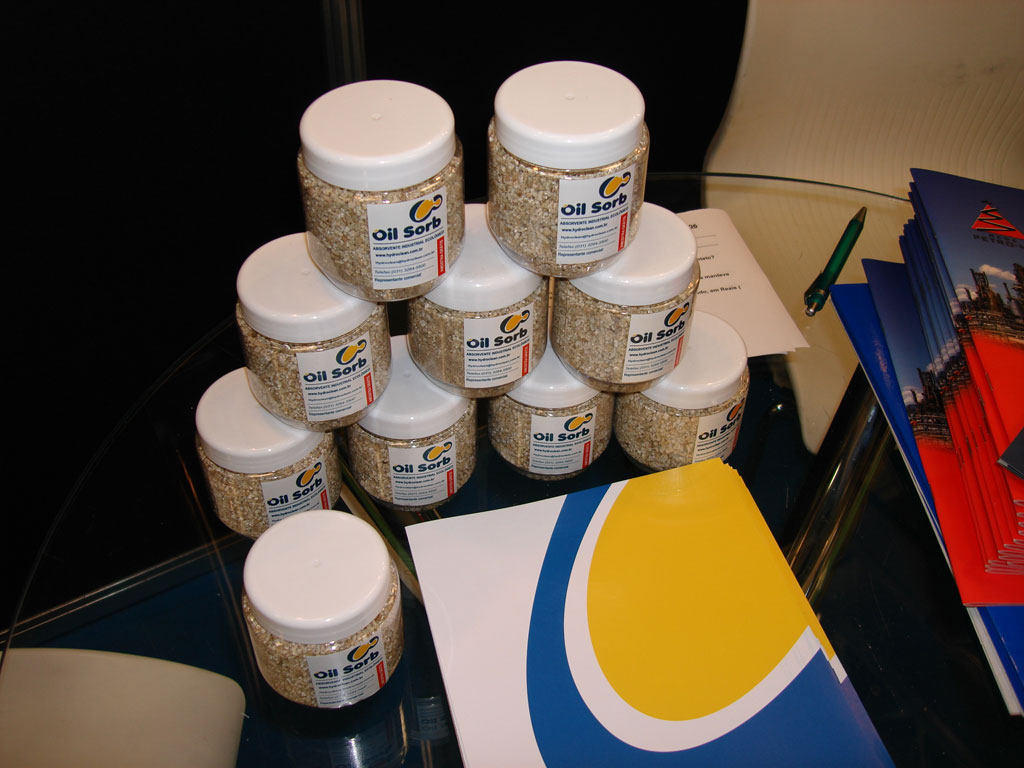
Oil Sorb is a natural product, non toxic, with high standards for oil absorbance, greases and others organic composites.
The Oil Sorb absorbent line are used in normal conditions when oil is spread or emitted, or when an oil spill situation occurs. The HydroClean line of Oil Sorb absorbent is prepared to prevent environment damages or risks to people security.
Many important industries have already used and perceived the benefits of the Oil Sorb as an ally to struggle against greasy and oil substances. The main vertical markets that uses Oil Sorb line are from oil & gas, chemistry, mines, energy and food & beverages industries. Others great users are from the public sector, as water effluents treatment.
 Developed by engineer Jader Martins from Federal University of Ouro Preto, the Oil Sorb is a hidrophobic mineral sponge driven from vermiculite, a non toxic mineral which expands 20 times with the application of heat (1000ºC ~ 1832ºF) producing a filament that can absorb 5 times its weight in oil, grease and fat.
There is a plenty of vermiculite in Brazil (Piaui, Goias, Paraiba and Bahia), a thermic and acoustic isolant mineral used in the production of light bricks and now being used to clean waterstrains and rivers. Oil Sorb (US$ 5.00/Kg) is cheaper than the peat imported from Canada (US$ 25.00/Kg) to absorb oil from waterfalls.
The residues obtained with Oil Sorb utilization after oil absorbance can also be used in Portland Cement processing and fabrication. It is possible because this residues contains two basic components: The oil, that generates heat and the Oil Sorb itself, made by a substance commonly used in cement production.
Hydroclean
Belo Horizonte, MG
Phone: + 55 31 3264-5900
Email: hydroclean@hydroclean.com.br
Website: www.hydroclean.com.br
Claro IdeiasTV
 IdeiasTV is a Mobile TV service launched (02) by Claro1 in a parternship with MobiTV2. There are eight traditional TV channels (CNN, Cartoon Networks, A&E, History Channel, Discovery, Nickelodeon, Bloomberg, Maxx Esportes), Fashion TV and one specially made for mobiles (ESPN Mobile). From the ten channels only CNN, Fashion TV and Maxx Sports are not in portuguese.
 Avaliable at the first momment only to the Nokia models 3250 (US$ 600.00), N80 (US$ 1,000.00), E63 (US$ impratical) and Palm Treo 650 (US$ 800.00) – the reasonable price for a mobile in Brazil is US$ 200.00. The service has already two competitors, Vivo Play 3G and Tim TV Access.
Pre-Paid and Post-Paid clients have access to the application which is downloaded from Claro WAP Portal (wap.claro.com.br). Claro created three different subscriber plans: US$ 1.50/day, US$ 5.00/week or US$ 15.00/month. And US$ 17.50 (10Mb); US$ 40.00 (40Mb) or US$ 70.00 for unlimited download.
The service is too much expensive to the brazilian average pocket and not even a brazilian news channel (Globo International, Globonews or Band News) is among the ten ones. In spite of the streaming MobiTV service, if a regular TV-on-a-chip could be part of a US$ 200.00 model, at least 21 million Claro users could watch our commercials, soap operas, TV series, football matches, educational programs on the bus, trains, undergrounds and everywhere.
1 Claro (Telecom Americas) is the brazilian subsidiary of America Movil. America Movil (Public, NYSE:AMX) is a publicly traded wireless communications company that provides services to over 93.3 million wireless subscribers in Latin America as of December 31st 2005. The company has been a venture of Carlos Slim Helu. World headquarters is located in Mexico City, Mexico. It was ranked number 1 Information Technology company in 2005 by the Business Week magazine.
2 MobiTV formerly called Idetic, was founded in 1999. The company's products incorporating the technology are ReachINTERNET, for Web acceleration and optimization; ReachWiFi, a multinetwork bridge; and ReachTV, a media bridge. Through its service, wireless service providers are able to feed live TV broadcasts to their subscribers' cell phones. MobiTV works with such tech vendors as Hewlett-Packard, Siemens, and Sun Microsystems.